


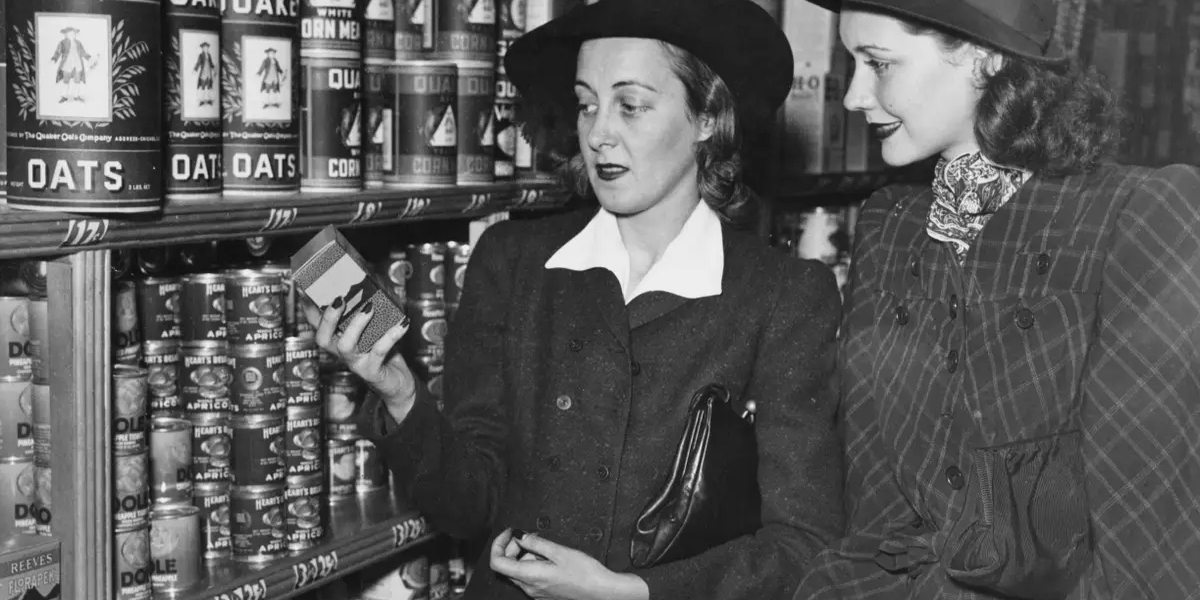
The 1920s marked a major turning point in how people shopped for food, thanks to the rise of the supermarket. Before this era, grocery shopping typically meant visiting multiple small specialty stores—like a butcher, a baker, and a greengrocer. Customers would give their lists to clerks, who would gather the items. But the supermarket model revolutionized this process by allowing customers to browse and pick products themselves, offering convenience, lower prices, and greater product variety all under one roof.
This self-service concept not only changed consumer habits but also laid the foundation for modern retail. Supermarkets introduced wider aisles, shelves stocked with packaged goods, and promotional pricing to attract more shoppers. They also relied on economies of scale to lower costs, making groceries more affordable for the average family. By the end of the decade, supermarkets had reshaped the shopping experience, setting the stage for the retail giants we know today.
The Rise of the Supermarket: A 1920s Revolution in Grocery Shopping
The 1920s saw a dramatic shift in how Americans purchased their food, thanks to the birth of the supermarket. Before this time, grocery shopping was a time-consuming task involving visits to several specialized stores, where clerks handled most of the selection and transactions. The supermarket model changed everything by introducing self-service and consolidating goods under one roof. This innovation brought greater efficiency, affordability, and convenience to everyday shoppers.
Here’s how supermarkets in the 1920s transformed the grocery experience:
- Self-Service Shopping: Customers could browse and select items on their own, saving time and improving their choice.
- All-in-One Convenience: Meat, produce, dry goods, and household items are available in a single location.
- Lower Prices: Bulk purchasing and fewer employees allowed supermarkets to reduce costs and offer better prices.
- Wider Selection: Larger store formats allow for more brands and product variety.
- Standardized Packaging and Labeling: Encouraged brand recognition and easier shopping decisions.
These changes not only modernized the grocery industry but also reshaped consumer habits. The supermarket became a cornerstone of American retail, influencing how people shop even a century later. The 1920s truly set the stage for the grocery experience we know today.
Legacy of a Retail Revolution
The introduction of supermarkets in the 1920s marked a groundbreaking shift in consumer culture and retail strategy. Offering self-service, a wide range of products, and competitive pricing—all under one roof—these early supermarkets redefined the grocery shopping experience. What began as a novel idea quickly became the new standard, influencing generations of shoppers and retailers alike. Today’s sprawling supermarkets and hypermarkets owe their existence to the innovative changes sparked a century ago. The 1920s didn’t just transform grocery shopping—they paved the way for the modern retail world we now take for granted.


