
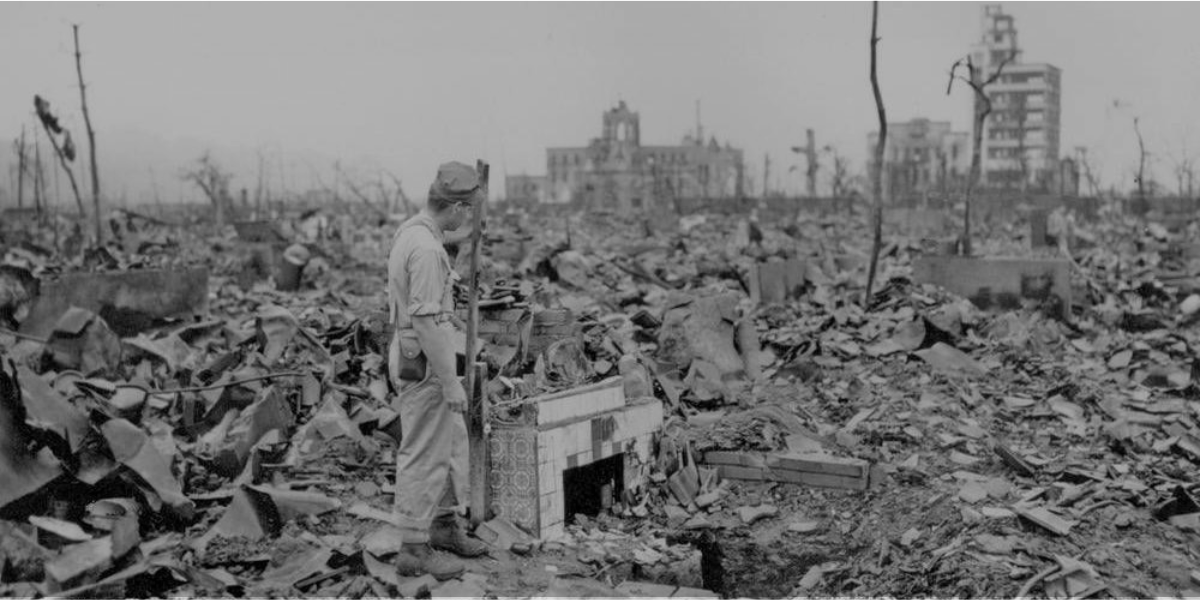
On August 6, 1945, the city of Hiroshima, Japan, became the site of one of history’s most tragic events. Specifically, during World War II, the first atomic bomb was dropped on the city. The explosion instantly destroyed much of the city, flattening buildings, igniting fires, and taking tens of thousands of lives within moments. The attack marked a turning point in warfare, introducing the world to the unimaginable power of nuclear weapons.
In the aftermath, haunting images of Hiroshima revealed the extent of human suffering and destruction. Survivors faced severe injuries, radiation sickness, and the loss of entire communities. Photographs and firsthand accounts captured the resilience of those who lived through the tragedy and helped shape global awareness of the consequences of atomic warfare. Today, Hiroshima stands as a symbol of peace, remembrance, and the ongoing call for nuclear disarmament.
Hiroshima 1945: The Day That Changed the World Forever
On August 6, 1945, the United States dropped an atomic bomb on the Japanese city of Hiroshima, marking the first use of nuclear weapons in warfare. The explosion, equivalent to about 15 kilotons of TNT, obliterated nearly everything within a two-mile radius. Within seconds, tens of thousands of people perished, and many more suffered severe burns and radiation exposure. Not only did the atomic bomb end countless lives, but it also, subsequently, reshaped world history and, in addition, marked the beginning of the nuclear age.
Here are some key points about the tragedy and its aftermath:
- The Explosion: Occurred at 8:15 a.m., instantly destroying most of Hiroshima’s infrastructure.
- Casualties: As a result of the blast, burns, and radiation, roughly 140,000 people had died by the end of 1945, and furthermore, many more continued to suffer afterward.
- Aftereffects: Survivors, known as hibakusha, faced lifelong health issues and discrimination.
- Historical Impact: The bombing led to Japan’s surrender, ending World War II.
- Legacy: Hiroshima became a global symbol of peace, remembrance, and anti-nuclear advocacy.
Hiroshima’s images and stories remind us of war’s horrors and the need for peace.
Remembering Hiroshima: Lessons from a Tragedy
The events of Hiroshima in 1945 serve as a haunting reminder of the destructive power of nuclear weapons. The images of devastation and the stories of survivors highlight the immense human cost of war and the fragility of life in the face of such force. Beyond the immediate tragedy, Hiroshima has become a symbol of resilience, peace, and the urgent need for global disarmament. Remembering the past encourages reflection on humanity’s responsibilities and the importance of preventing such destruction in the future. Honoring their memories helps raise awareness, foster compassion, and promote lasting peace.