
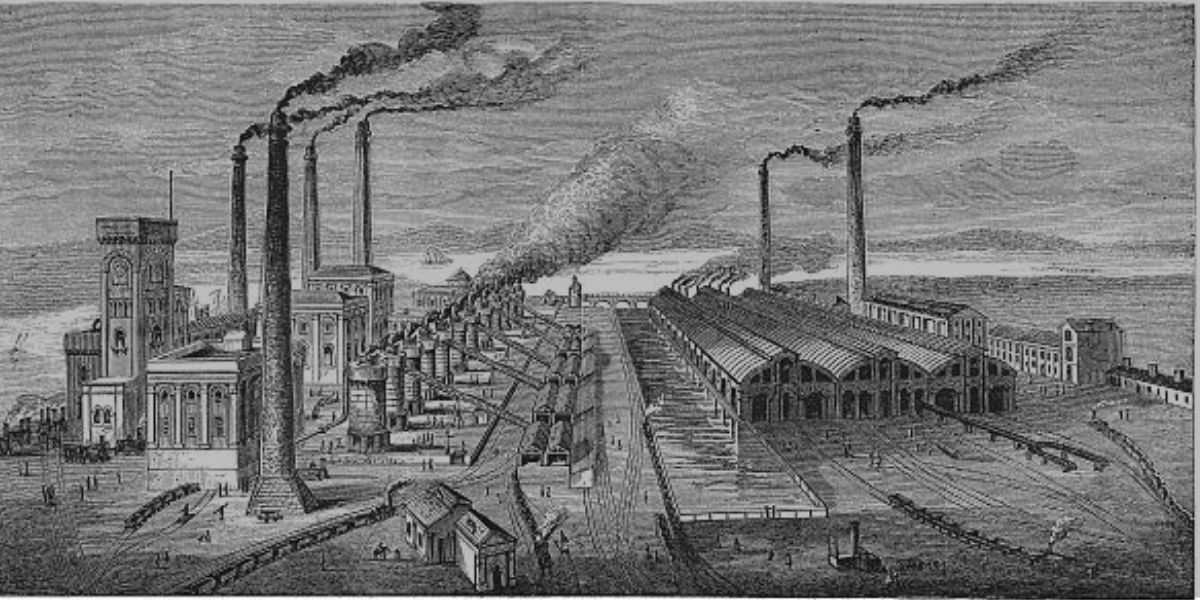
The 1870s marked a significant turning point in global history, as major changes in culture, economy, and technology began to reshape modern society. This decade witnessed the rise of industrialization, with factories expanding across Europe and North America. Railways grew rapidly, connecting cities and boosting trade. These changes laid the foundation for a global economy, as goods and ideas began to move more freely across borders. The 1870s also saw economic shifts like the Long Depression, which changed how governments and businesses operated.
Culturally, the 1870s brought new ideas into art, literature, and philosophy. Movements like realism and impressionism began to challenge traditional views, reflecting a society in transition. Technological innovation also surged during this period, with inventions like the telephone and electric light emerging. These advancements not only transformed communication and daily life but also sparked further innovation. Overall, the 1870s was a decade of progress and profound change.
The Transformative Power of the 1870s: A Decade of Change
The 1870s was a pivotal decade that reshaped the cultural, economic, and technological landscape of the modern world. It marked the beginning of a global shift from traditional ways of life to more industrialized, connected, and forward-thinking societies. Major developments in this era set the stage for future innovations and political movements that would define the 20th century.
Key reasons why the 1870s were a turning point include:
- Industrial Expansion: Factories and mass production flourished, particularly in Europe and the United States, leading to urban growth and labor changes.
- Railway Networks: Rapid railway expansion connected to distant regions, improving trade and communication.
- The Long Depression (1873): Triggered by financial crises, this global economic downturn forced countries to rethink banking, labor, and trade policies.
- Cultural Shifts: Movements like realism and impressionism began challenging traditional art and literature.
- Technological Breakthroughs: Inventions like Alexander Graham Bell’s telephone (1876) and the early use of electric lighting revolutionized daily life and communication.
The 1870s marked the moment when the modern era truly began to take shape—blend innovation, creativity, and crisis into lasting change across the globe.
A Decade That Shaped the Modern World
The 1870s stand out as a transformative decade that laid the foundation for the modern age. Through a powerful mix of industrial growth, economic upheaval, and cultural evolution, this period pushed societies to adapt and innovate. Technological breakthroughs like the telephone and widespread railway systems revolutionized communication and transportation, while new artistic and philosophical movements reflected changing worldviews. The challenges and progress of the 1870s inspired new ways of thinking about industry, society, and the future. As we look back, it becomes clear that many aspects of our contemporary world—how we live, work, and connect—can trace their roots to the shifts that began during this remarkable decade. The 1870s truly marked the beginning of a new global chapter.