
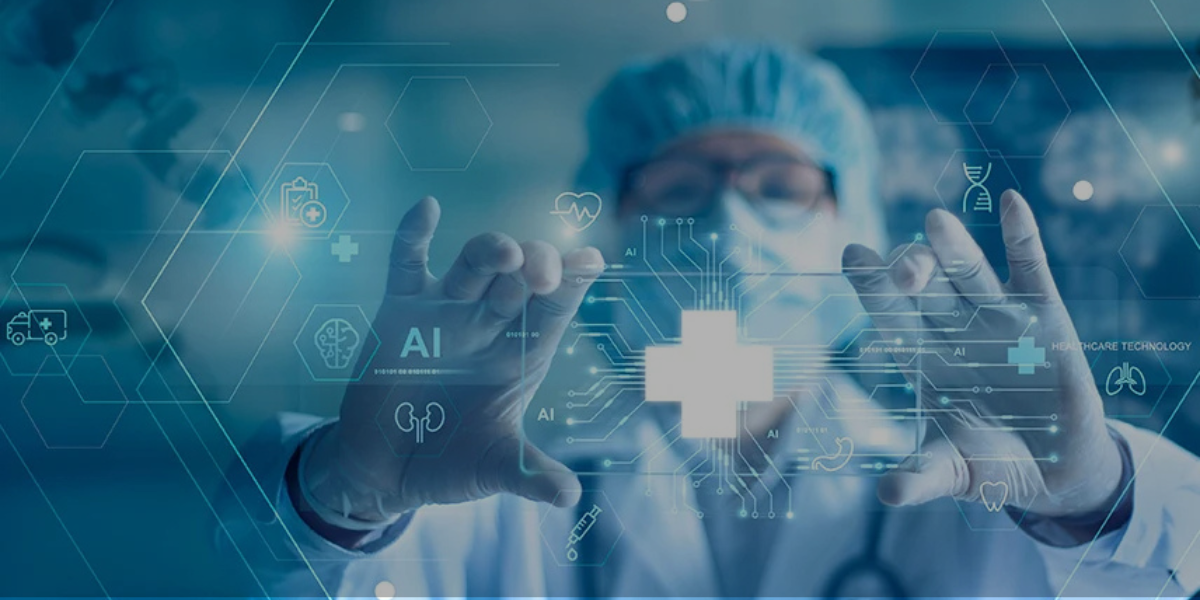
Artificial Intelligence (AI) is transforming the healthcare industry by enhancing the accuracy and efficiency of diagnosis and treatment. Advanced algorithms can analyse vast amounts of medical data, helping doctors detect diseases at earlier stages and identify patterns that may be missed by traditional methods. AI-powered tools, including imaging analysis, predictive analytics, and virtual health assistants, support clinicians in making faster, more informed decisions. This technology not only improves patient outcomes but also reduces the risk of human error, making healthcare delivery safer and more effective.
Beyond diagnosis, AI is reshaping patient care by personalising treatment plans and streamlining administrative tasks. Virtual assistants and chatbots can provide patients with guidance, reminders, and follow-up care, freeing healthcare professionals to focus on critical tasks. As AI continues to evolve, it promises to make healthcare more accessible, efficient, and patient-centred, driving innovation and improving the overall quality of medical services globally.
How Artificial Intelligence Is Transforming Healthcare and Patient Care
Artificial Intelligence (AI) is revolutionising the healthcare industry by improving the accuracy, efficiency, and accessibility of medical services. By analysing large volumes of data quickly, AI helps healthcare professionals detect diseases earlier, make precise diagnoses, and design personalised treatment plans. From imaging analysis to predictive analytics, AI tools are enhancing decision-making, reducing errors, and streamlining clinical workflows. These innovations not only improve patient outcomes but also optimise resource management in hospitals and clinics, making healthcare delivery more efficient.
Key applications of AI in healthcare include:
- Medical Imaging Analysis: AI algorithms can identify abnormalities in X-rays, MRI’s, and CT scans with high accuracy.
- Predictive Analytics: AI can predict disease progression, helping doctors intervene early.
- Virtual Health Assistants: Chatbots and AI assistants provide guidance, appointment reminders, and medication tracking.
- Personalised Treatment Plans: AI analyses patient data to recommend tailored therapies.
- Administrative Automation: AI streamlines tasks like scheduling, billing, and patient record management.
As AI technology continues to advance, it is set to reshape the future of healthcare, making it more patient-centred, data-driven, and efficient. Hospitals and clinics adopting AI solutions are leading the way toward a smarter, healthier future.
Shaping the Future of Healthcare with AI
Artificial Intelligence is rapidly transforming the healthcare landscape, making diagnosis faster, treatments more precise, and patient care more personalised. Beyond clinical applications, AI also streamlines administrative processes, allowing medical professionals to focus on delivering quality care.
As technology continues to advance, AI will play an increasingly central role in making healthcare more accessible, efficient, and patient-centred. Embracing AI innovations today ensures a future where medical care is smarter, safer, and tailored to individual needs. The integration of AI into healthcare represents not just a technological shift, but a trans-formative approach to improving global health and patient well-being.