
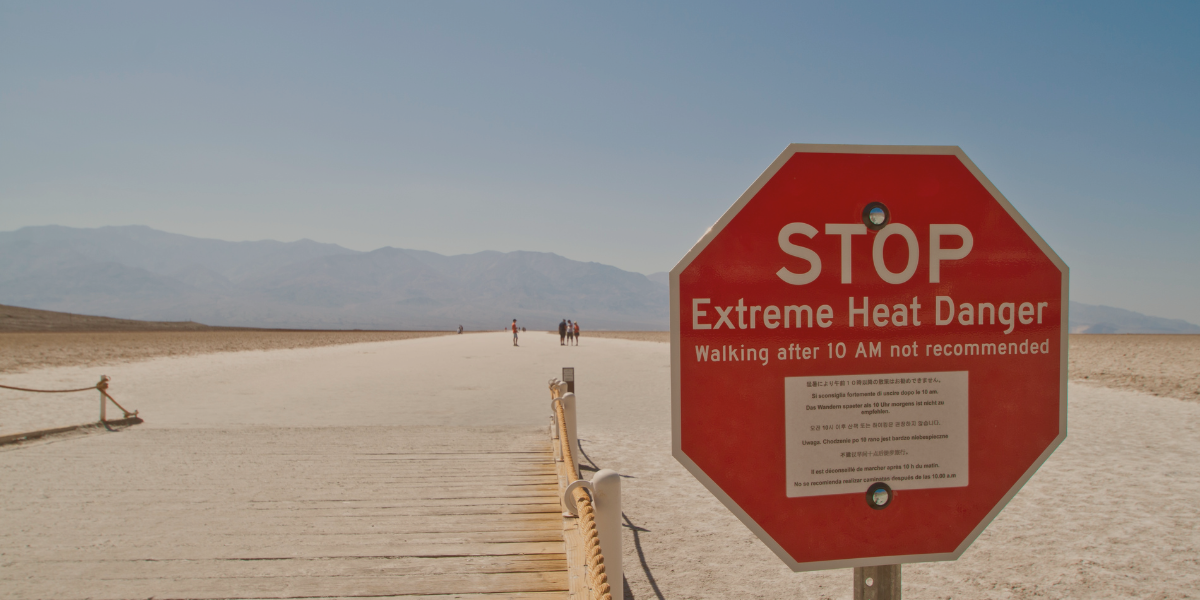
The record highest temperatures across the United States tell a striking story of both geography and extremes. Every state including Alaska and Hawaii has reached at least 100 °F (37.8 °C) at one time or another. In the western deserts and the central plains, many states have endured highs well above 120 °F (49 °C). For example, Death Valley in California holds the national high at a blistering 134 °F. Meanwhile, eastern states with more humidity and moderating influences have slightly lower peaks though still formidable.
Looking at these records provides insight into climate patterns, terrain and historical weather events. In many central states, the highest temperatures were recorded during the 1930s Dust Bowl era. Coastal and northern states tend to have fewer days of extreme heat partly because of their latitude or maritime influence. Understanding these highest recorded temperatures helps underline how far extremes can go and why preparation and awareness for heat events matter no matter where you live.
Record-Breaking Heat Across the United States
The United States is home to a wide range of climates, from frozen tundra’s in Alaska to tropical conditions in Hawaii. Each state has experienced extreme heat at some point, highlighting the diversity of weather patterns across the country. Understanding the hottest temperatures recorded in every state gives insight into how geography, altitude, and climate combine to create extreme conditions.
Here are some notable details about record temperatures:
-
Western States: California’s Death Valley holds the national record at 134°F, while Arizona and Nevada have also exceeded 120°F.
-
Central States: States like Texas, Oklahoma, and Kansas frequently see temperatures above 115°F during peak summer months.
- Eastern States: Humidity moderates some extremes, but Florida, Georgia, and North Carolina have still reached temperatures above 110°F.
- Northern States: Alaska’s record high is a comparatively mild 100°F, showing latitude’s influence on extreme temperatures.
- Hawaii: The islands experience tropical heat, with record highs around 100°F in certain lowland areas.
Tracking these records emphasizes the power of nature and the importance of preparation for heatwaves, no matter where you live. Extreme temperatures can impact health, infrastructure, and daily life.
Understanding Extreme Heat Across the States
Examining the hottest temperatures ever recorded in every state highlights the incredible diversity of America’s climate. From the scorching deserts of the West to the humid summers of the Southeast, these records show how geography, elevation, and weather patterns influence extreme heat. Awareness of these extremes is important for public safety, planning, and understanding climate trends. While some records date back decades, they serve as reminders of the power of nature and the importance of preparedness. Heatwaves can impact health, agriculture, and infrastructure, making it essential for residents to take precautions during high-temperature events. By recognizing the hottest temperatures in each state, people can better appreciate the challenges posed by extreme heat and take steps to stay safe during record breaking conditions.