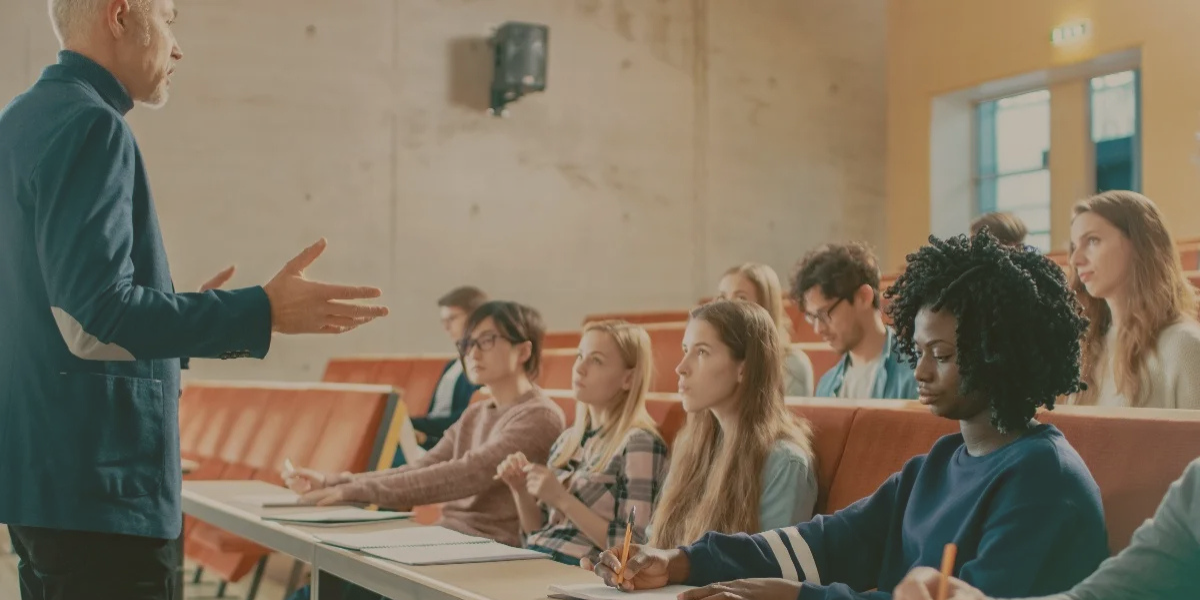
In many ways, this cohort faces unusually steep challenges. The students entering college in this wave grew up during the COVID‑19 pandemic, dealing with lockdowns, social isolation, and disrupted schooling. They’re arriving on campuses under economic stress, with soaring tuition, mounting student debt, and an increasingly questioned return on investment for a college degree. At the same time, they must navigate a job market reshaped by rapid technological change especially the surge of AI tools undermining traditional roles and educational models.
However, proclaiming them the most screwed ever overlooks the resilience and opportunities that abound. Colleges and universities are arguably more aware of mental‑health needs, hybrid learning, and flexibility than before. This cohort also benefits from being digital natives comfortable with tech, innovation, and adapting to change. Moreover, historical cohorts have faced their own major disruptions (wars, recessions, pandemics) yet many still found success. So while the Class of 2029 enters higher education under a heavy set of headwinds, it’s too early to definitively label them the worst off their success will also depend on how institutions, employers and they themselves evolve in response.
Challenges and Opportunities Facing the Class of 2029
The Class of 2029 faces a unique set of challenges as they step into higher education. Many of these students grew up during the COVID-19 pandemic, experiencing disrupted schooling, social isolation, and gaps in learning. On top of that, economic pressures such as rising tuition, inflation, and mounting student debt add to the stress of pursuing a degree. Rapid technological change, especially the rise of AI and automation, is also reshaping the job market, making traditional career paths less certain.
Key challenges include:
Academic Gaps: Interrupted learning during formative years may impact college readiness.
Mental Health Pressure: Increased anxiety, depression, and social adjustment issues stemming from early-life disruptions.
Economic Stress: Rising tuition and living costs increase financial burdens.
Job Market Uncertainty: AI and automation may reduce opportunities in traditional roles.
Social Adaptation: Rebuilding social networks after years of online schooling can be difficult.
Despite these challenges, the Class of 2029 also has opportunities. They are highly tech-savvy, adaptable, and resilient. Colleges are increasingly aware of mental health and flexible learning needs, which could help this cohort thrive. Ultimately, how “screwed” they are depends on both institutional support and their ability to adapt to a rapidly changing world.
Looking Ahead for the Class of 2029
While the Class of 2029 faces significant hurdles, it’s important to recognize the resilience and adaptability this generation brings. Growing up in a rapidly changing world has equipped them with technological skills and problem-solving abilities that previous cohorts didn’t have. Colleges and universities are also evolving, offering more support for mental health, flexible learning, and career readiness. Challenges like economic pressures, AI-driven job changes, and social adjustment are real, but they also present opportunities to innovate and grow. Ultimately, whether this class is “the most screwed” depends on how they leverage their resources, adapt to change, and engage with supportive communities. With the right mindset and guidance, the Class of 2029 can navigate uncertainty and emerge stronger, prepared to face the future with confidence.