
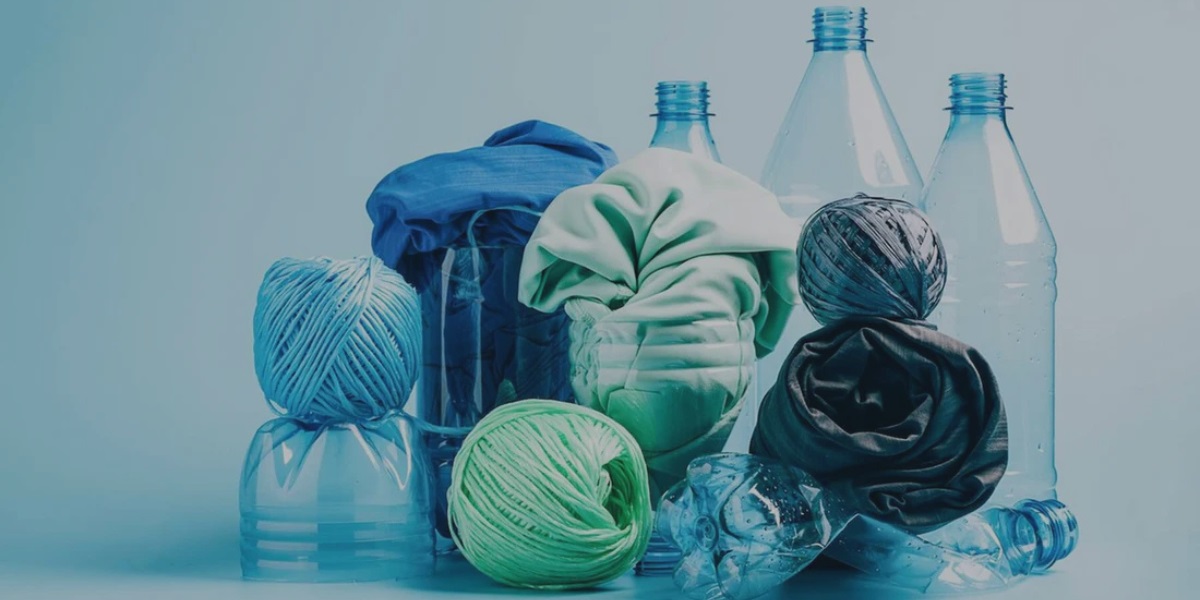
Recycling plastic bottles into clothing has become an innovative solution to reduce waste and promote sustainability in the fashion industry. Millions of plastic bottles, which would otherwise end up in landfills or oceans, are collected and processed to create polyester fibers. These fibers are then spun into yarn and woven into fabrics that can be used for various types of apparel. This process not only helps reduce environmental pollution but also supports the growing demand for eco-friendly and sustainable fashion.
The transformation from plastic bottles to wearable clothing involves multiple stages, including sorting, cleaning, shredding, and melting the plastics into fibers. Brands and manufacturers are increasingly adopting this method to produce jackets, t-shirts, active wear, and accessories. By turning waste into valuable fashion products, the industry demonstrates how innovative recycling techniques can combine environmental responsibility with style, providing consumers with sustainable clothing choices.
Transforming Plastic Waste into Sustainable Fashion
The fashion industry is increasingly embracing sustainability, and one of the most innovative practices is turning plastic waste into clothing. Millions of plastic bottles, which would otherwise pollute landfills and oceans, are recycled to create eco-friendly fabrics. This process not only reduces environmental impact but also helps meet the rising consumer demand for sustainable apparel. By converting plastic into wearable textiles, brands are demonstrating that fashion and environmental responsibility can go hand in hand.
The process of turning 1.5 million plastic bottles into clothing typically involves several steps:
- Collection and Sorting: Plastic bottles are gathered from recycling programs and sorted by type and color.
- Cleaning: Bottles are thoroughly washed to remove labels, adhesives, and contaminants.
- Shredding: Clean bottles are shredded into small flakes for processing.
- Melting and Extrusion: Plastic flakes are melted and spun into polyester fibers.
- Fabric Production: The fibers are woven or knitted into fabric suitable for garments.
- Garment Manufacturing: Fabrics are cut and sewn into clothing items such as jackets, shirts, and active wear.
Through this process, fashion brands can transform massive amounts of plastic waste into high-quality, stylish, and sustainable clothing, benefiting both the planet and consumers.
Sustainable Fashion: Turning Waste into Wearable Art
The transformation of plastic bottles into clothing highlights how innovation and sustainability can intersect in the fashion industry. This process demonstrates that everyday materials can be reimagined into valuable products, supporting a circular economy. As more companies adopt these practices, individuals also play a crucial role by choosing sustainable apparel and supporting environmentally responsible brands. Turning plastic waste into wearable clothing is not just a technological achievement – it’s a step toward a greener future, proving that small changes in production and consumption can collectively make a significant impact on the planet.