
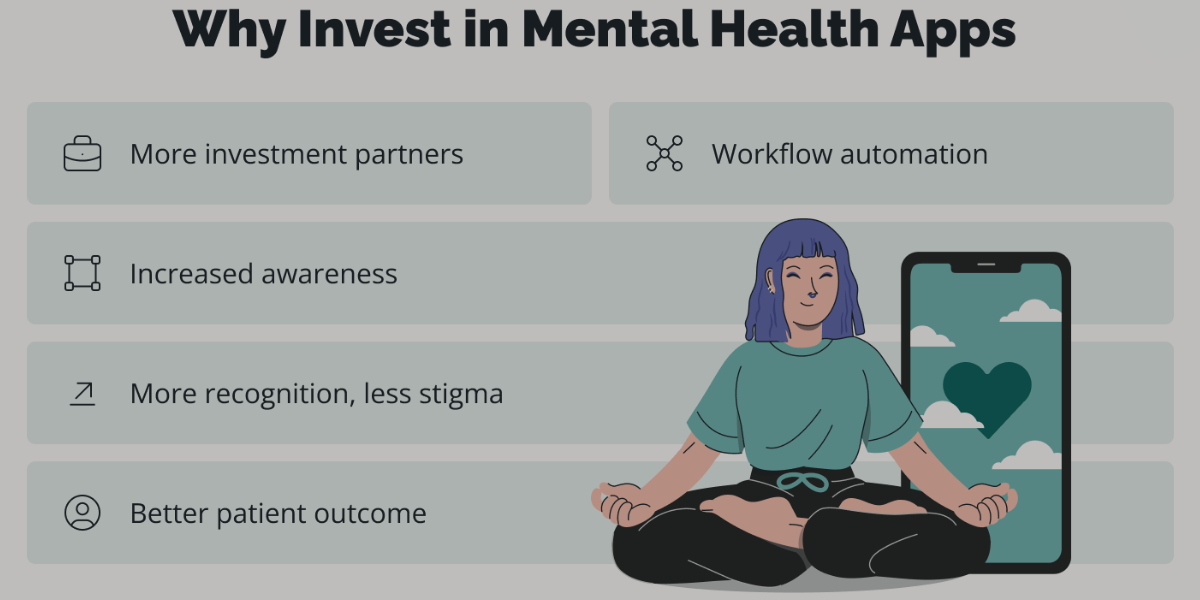
Mental health apps have become increasingly popular as tools to support emotional well-being and manage stress, anxiety, and depression. These apps often provide features such as guided meditation, mood tracking, cognitive behavioral therapy exercises, and mindfulness practices. By offering accessible, on-demand support, mental health apps can help users develop coping strategies, track their progress, and maintain consistent mental wellness routines. While they are not a replacement for professional therapy, they can complement traditional treatment and provide valuable resources for managing day-to-day mental health challenges.
Using mental health apps can also encourage self-awareness and proactive care. Features like daily check-ins, goal setting, and personalized exercises help users understand their emotional patterns and make informed decisions about their well-being. Additionally, apps offer convenience, privacy, and flexibility, making mental health support more accessible for people with busy schedules or limited access to traditional therapy. When used responsibly, these apps can enhance overall mental wellness.
Exploring the Impact of Mental Health Apps on Well-Being
Digital wellness tools have emerged as convenient instruments to support emotional and psychological well-being. Designed to complement traditional therapy or serve as self-help resources, these wellness applications provide a range of features that can help users manage stress, anxiety, depression, and overall mental wellness. With increasing accessibility through smartphones, therapeutic apps offer on-demand support, enabling individuals to incorporate healthy habits into their daily routines and track their progress over time.
Key benefits of mental health apps include:
- Mood Tracking: Helps users monitor emotional patterns and identify triggers.
- Guided Meditation & Mindfulness: Reduces stress and promotes relaxation.
- Cognitive Behavioral Exercises: Offers techniques to challenge negative thought patterns.
- Goal Setting & Habit Building: Encourages consistency in self-care routines.
- 24/7 Accessibility: Provides support anytime, especially for those with limited access to therapy.
- Privacy & Anonymity: Users can engage without fear of stigma.
While mental health apps are not a replacement for professional care, they can complement therapy and provide practical tools for daily mental health management. When used responsibly, these apps empower individuals to take an active role in improving their overall well-being.
Enhancing Well-Being Through Digital Support
Mental health apps provide accessible tools for mood tracking, mindfulness, and stress management, complementing—but not replacing—professional therapy. By integrating mental health support into daily routines, individuals can take proactive steps toward better health. With regular use, mental health apps help users manage emotions, build resilience, and support a balanced lifestyle.