
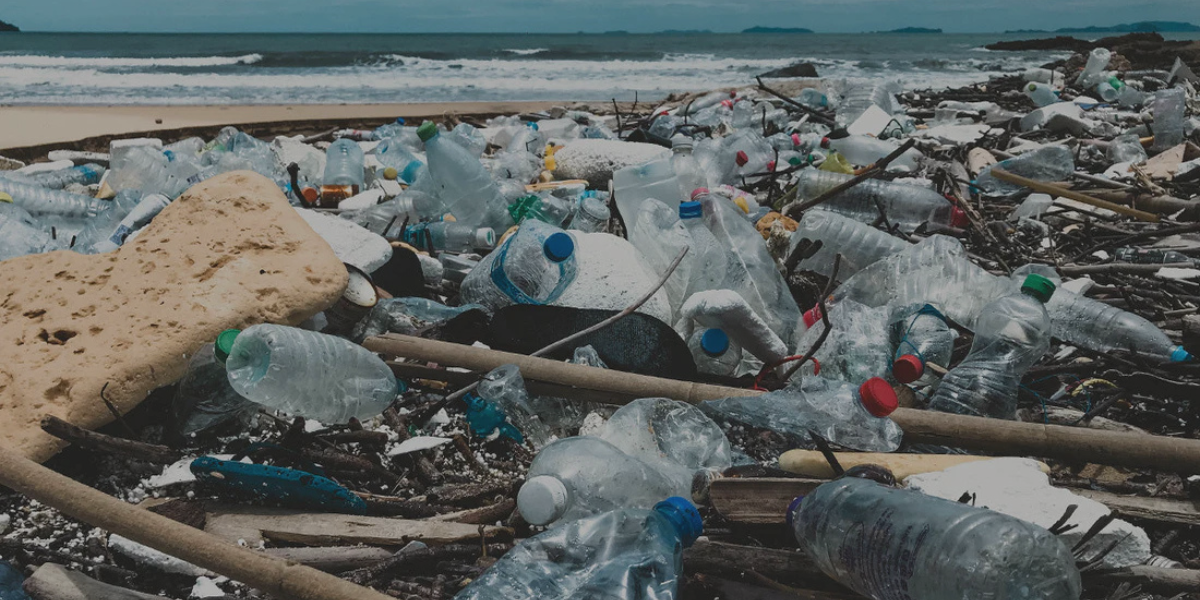
Ocean plastic pollution has become one of the most pressing environmental issues of our time, affecting marine life, ecosystems, and human health. Plastics in the ocean come from a variety of sources, including rivers, coastal communities, and improper waste management. Items like single-use packaging, bottles, and fishing gear often make their way into waterways, eventually reaching the sea. Understanding the origins of this pollution is crucial for creating effective strategies to reduce its impact.
Plastic pollution does not only harm marine animals but also disrupts entire ecosystems and enters the food chain, impacting humans. Industrial waste, consumer litter, and even micro plastics from clothing and personal care products contribute to the problem. By tracing the sources, governments, organisations, and individuals can implement better waste management, recycling programs, and public awareness campaigns. Collective action is essential to minimise ocean plastic and preserve marine environments for future generations.
Understanding Where Ocean Plastic Pollution Comes From
Plastic pollution in the world’s oceans has reached alarming levels, threatening marine life, coastal communities, and human health. While plastics are highly versatile and widely used, improper disposal and ineffective waste management have turned them into a major environmental hazard. Tracing the sources of ocean plastic pollution is essential for developing strategies to prevent further damage and protect marine ecosystems.
Key sources of ocean plastic include:
- Rivers and Runoff: Plastic waste from inland areas often travels through rivers and streams into the ocean.
- Coastal Communities: Improperly managed trash and litter from beaches and coastal cities contribute significantly to marine pollution.
- Fishing and Shipping Industry: Lost or discarded fishing nets, gear, and packaging materials add large amounts of plastic to the oceans.
- Consumer Products: Single-use plastics such as bottles, straws, bags, and micro plastics from personal care items enter waterways.
- Industrial Waste: Factories and manufacturing processes sometimes release plastic pellets and other materials directly into water systems.
By understanding these sources, governments, organisations, and individuals can implement better waste management practices, recycling programs, and awareness campaigns. Reducing ocean plastic pollution requires global cooperation and proactive steps to minimise the flow of plastic into marine environments.
Taking Action against Ocean Plastic Pollution
Understanding where ocean plastic comes from is the first step toward addressing this global environmental crisis. From rivers and coastal communities to industrial waste and consumer products, multiple sources contribute to the growing accumulation of plastics in marine ecosystems. By identifying these key contributors, governments, organisations, and individuals can implement more effective waste management strategies, reduce single-use plastics, and promote recycling initiatives. Public awareness campaigns also play a crucial role in changing habits and preventing litter from reaching waterways. Collective action at local, national, and international levels is essential to protect marine life, preserve biodiversity, and ensure healthier oceans for future generations. Reducing plastic pollution is not just an environmental necessity – it is a responsibility we all share.