
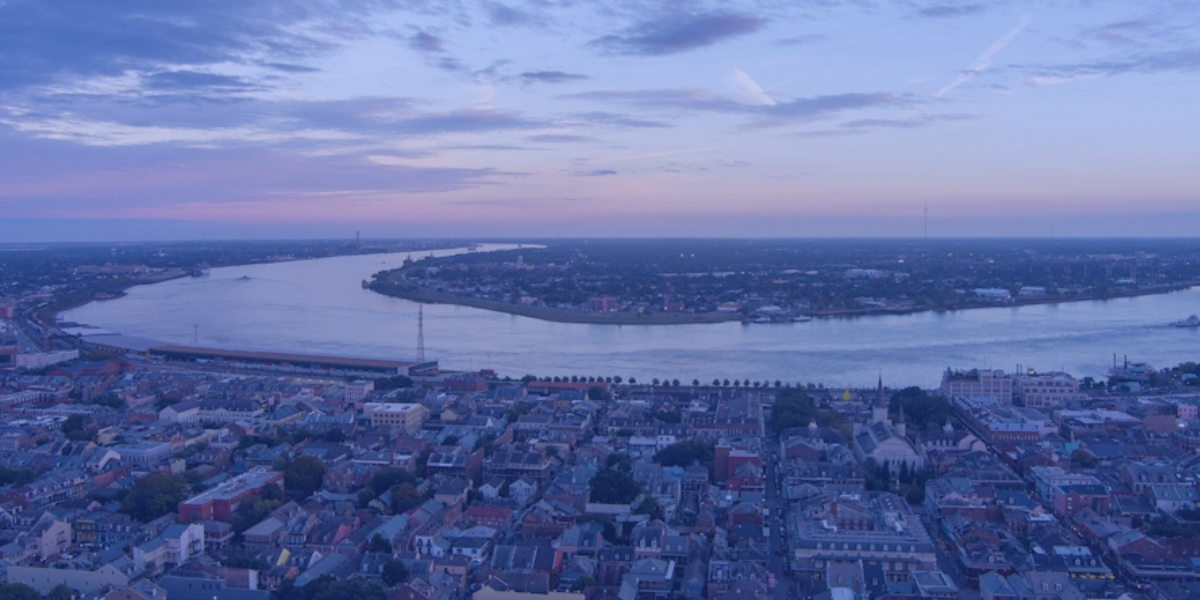
Understanding the Threat to America’s Coastal Cities
Across the United States, many coastal cities are facing a growing environmental challenge gradual sinking caused by a combination of natural and human factors. Rising sea levels, land subsidence, and excessive groundwater extraction are major contributors to this issue. Cities along the East, Gulf, and West Coasts are particularly vulnerable, as climate change accelerates erosion and flooding risks. Scientists and local governments are studying these changes to develop sustainable solutions and protect communities from long-term damage.
Among the cities most affected are well known coastal hubs that play key roles in tourism, trade, and culture. Places like New Orleans, Miami, and Norfolk have already experienced noticeable land loss and frequent flooding. As the problem worsens, these cities are investing in improved drainage systems, sea walls, and climate adaptation projects. Understanding this ongoing issue emphasizes the need for environmental awareness and proactive measures to safeguard America’s coastal regions.
America’s Sinking Shores: 13 Coastal Cities Facing Rising Waters
Many U.S. coastal cities are experiencing gradual sinking, a process known as land subsidence, intensified by rising sea levels and climate change. This phenomenon threatens infrastructure, housing, and livelihoods along the nation’s shores. Factors such as excessive groundwater withdrawal, erosion, and the compaction of soft soils contribute to the steady lowering of land. As a result, urban planners and environmental experts are racing to find ways to strengthen coastal resilience and minimize future damage.
Here are 13 coastal cities in the U.S. that are slowly sinking:
-
New Orleans, Louisiana: One of the fastest sinking cities due to soft sediments and high groundwater use.
-
Miami, Florida: Faces rising seas and porous limestone foundations.
- Norfolk, Virginia: Struggles with land subsidence and frequent tidal flooding.
- Houston, Texas: Sinking from groundwater extraction and heavy urban development.
- Atlantic City, New Jersey: Threatened by erosion and rising tides.
- Charleston, South Carolina: Enduring both sea level rise and shifting soils.
- San Francisco, California: Subsiding in low lying reclaimed areas.
- New York City, New York: Gradual sinking adds to coastal flood risks.
- Galveston, Texas: Impacted by coastal erosion and storm surges.
- Virginia Beach, Virginia, Savannah, Georgia, Long Beach, California, and Seattle, Washington: Experiencing measurable land subsidence.
Safeguarding America’s Coastal Future
The slow sinking of U.S. coastal cities is a pressing reminder of the delicate balance between nature and urban development. As rising sea levels and land subsidence continue to threaten communities, it becomes essential to invest in sustainable infrastructure and environmental resilience. Cities like New Orleans, Miami, and Norfolk highlight the urgent need for stronger climate adaptation strategies. By combining science, technology, and responsible urban planning, the nation can reduce future risks and protect its coastal heritage. Public awareness and government action play a crucial role in preserving these vital regions. Safeguarding America’s coasts today ensures that future generations can continue to thrive in these vibrant, culturally rich, and economically important cities along the water’s edge.