

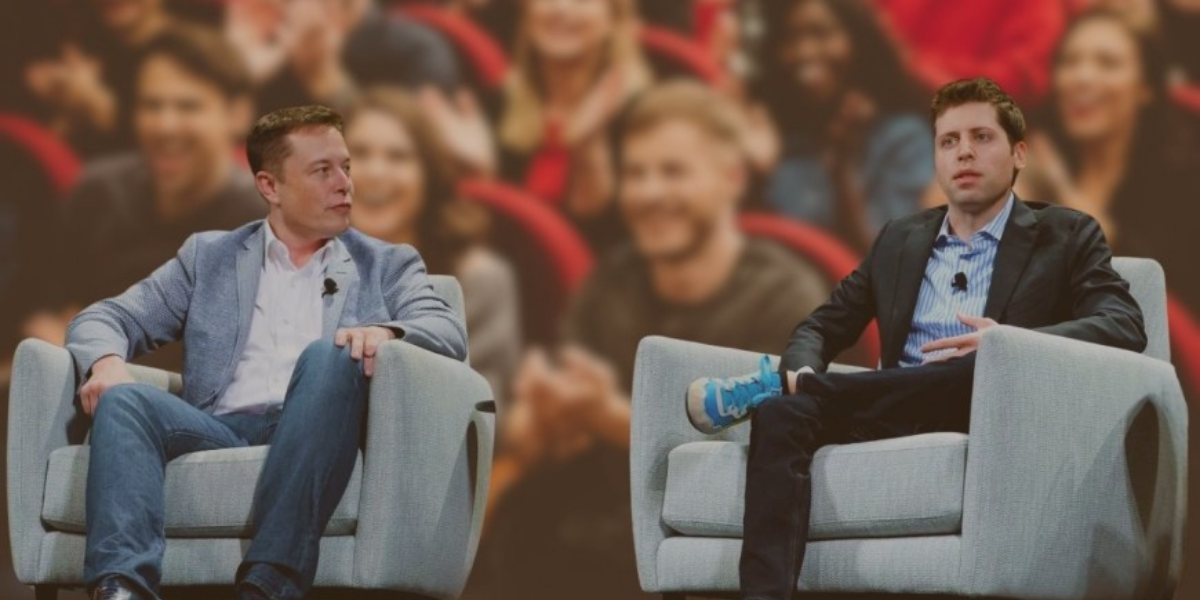
The ongoing back and forth between Elon Musk and Sam Altman has kept the spotlight on Open AI and the future of artificial intelligence. Musk, who was one of the early co founders of Open AI, has expressed concerns over the organization’s direction, particularly regarding AI safety and ethical oversight. Altman, as CEO, has defended the company’s choices and highlighted the potential benefits of AI advancements for society. Their exchanges reflect broader debates in the tech industry about balancing innovation with responsibility.
This public dialogue also underscores how AI development involves not just technical challenges but also differing visions of governance and control. By trading opinions, Musk and Altman bring attention to questions about transparency, accountability, and the pace of AI deployment. While their disagreements are sometimes pointed, they also highlight the importance of discussion and scrutiny in shaping the trajectory of emerging technologies, influencing both industry leaders and public perception.
Elon Musk vs Sam Altman: The Ongoing Feud Over Open AI
The rivalry between Elon Musk and Sam Altman continues to heat up as they publicly clash over the direction and governance of Open AI. Musk, who co‑founded Open AI in 2015 and left its board in 2018, has repeatedly criticized the company’s transition from its original nonprofit mission toward a for‐profit or “capped profit” model arguing it has strayed from its foundational promise to develop AI for the public good.
necessary to secure the massive funding and compute required to push toward advanced AI. When Musk led an unsolicited bid of around $97.4 billion to acquire Open AI’s nonprofit arm, Altman declined, writing on social media: “No thank you but we will buy Twitter for $9.74 billion if you want.” Musk retorted by calling him a “swindler.
Key points in the feud
Musk’s takeover attempt serves more than just control: it forces higher valuations of Open AI’s nonprofit assets and complicates its restructuring plans.
Altman’s stance: Open AI is not for sale, rejecting the bid and emphasizing the company’s focus on mission and growth rather than immediate acquisition.
Musk accuses Altman of “stealing a nonprofit” and turning it into a closed‐source, profit‑driven enterprise.
Why it matters
This dispute isn’t just personal. It underscores deep controversies in the AI sector: how to govern powerful AI organizations, how to finance large‐scale AI work while maintaining altruistic mission, and how competition among founders can shape the trajectory of the industry. Both Musk’s company x AI and Open AI are key players in the AI race.
The Ongoing Clash and Its Implications