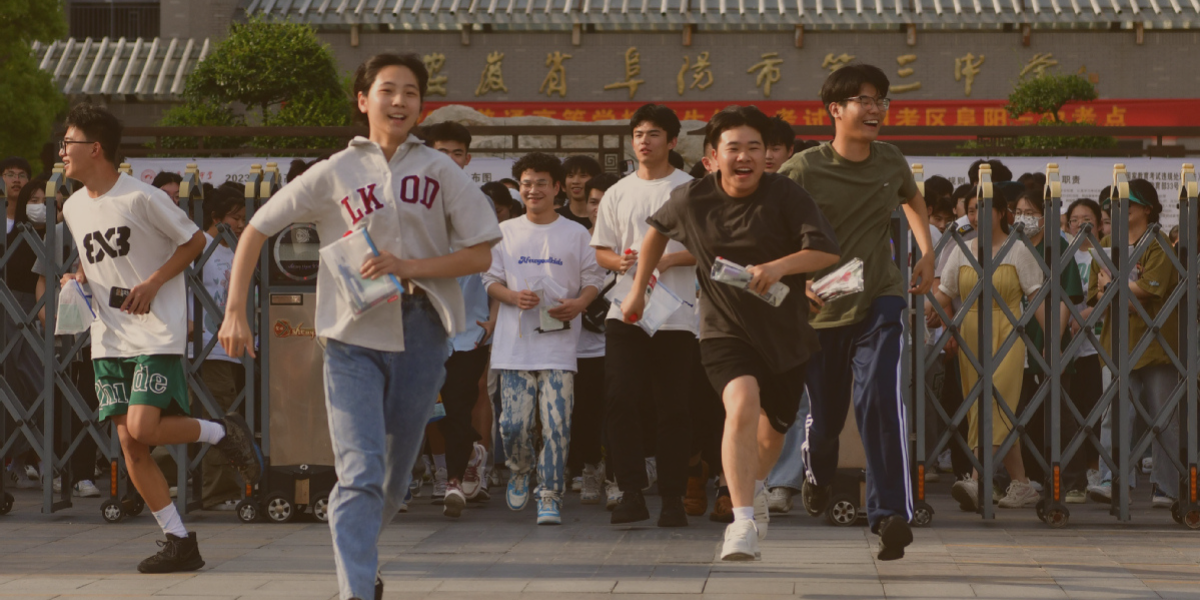
China has implemented temporary restrictions on AI tools during its college entrance exams, commonly known as the Gaokao. These measures affect various AI platforms that offer functions like real-time question answering, essay writing, and study assistance. The primary goal is to ensure that exam results reflect students’ own knowledge and effort rather than reliance on automated tools. Authorities are focusing on maintaining fairness and academic integrity in one of the country’s most critical educational assessments. Such actions show how governments are responding to the challenges posed by rapid AI adoption in learning environments.
This move also highlights the broader debate on AI in education. While AI can enhance learning, provide study support, and improve productivity, it can also be misused for academic dishonesty if left unchecked. By temporarily blocking these tools during exams, China demonstrates the importance of balancing technological innovation with ethical use. Ensuring fair testing protects both students and the credibility of the education system.
College Entrance Test
In June 2025, during the nationally‑important Gaokao China’s multi day college entrance exam taken by over 13 million students major technology players made a significant move: they disabled or restricted key AI functionalities.
Some of the detailed measures included:
-
-
Major Chinese AI platforms like Qwen (by Alibaba) and Yanbu (by Tencent) disabled image‑recognition and question‑answer features during the exam hours.
-
These companies displayed messages explaining that features were suspended “to ensure fairness in the college entrance examinations.”
-
Beyond AI‑tool restrictions, exam sites saw intensified surveillance: biometric checks, digital‑device scans, signal jamming, and AI‑powered monitoring of candidate behavior.
-
Balancing Innovation and Integrity in Education
China’s move to block AI tools during the college entrance exams highlights the ongoing struggle to balance technological innovation with academic integrity. By restricting AI access during such high-stakes testing, authorities aim to ensure a fair environment where student performance reflects their own knowledge and effort, rather than reliance on automated assistance. This approach underscores the need for careful regulation as AI becomes more integrated into daily life. The decision serves as a reminder that safeguarding fairness and ethical standards in education is as important as embracing technological progress, ensuring that students’ achievements remain genuine and credible.