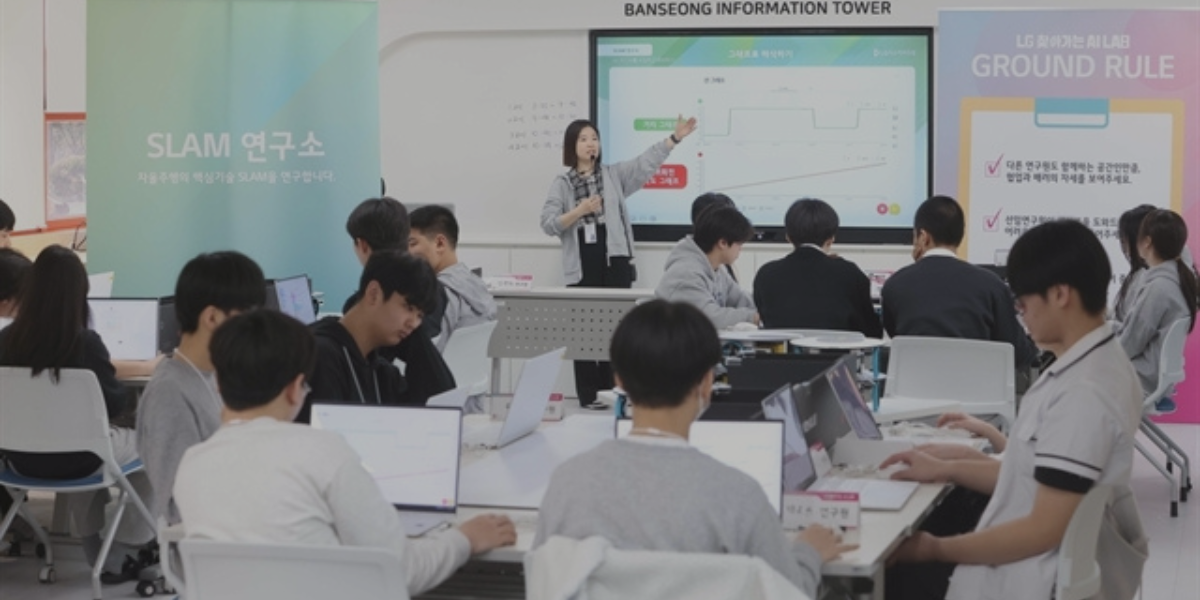
South Korea has emerged as a global leader in integrating artificial intelligence into education, offering valuable insights for American schools. The country emphasizes personalized learning powered by AI, allowing students to receive tailored lessons and immediate feedback on their progress. By leveraging data analytics, educators can identify individual learning gaps and adjust teaching strategies in real time. Additionally, AI-driven tools assist teachers in administrative tasks, giving them more time to focus on instruction and student engagement. This approach demonstrates how technology can complement, rather than replace, human educators.
American classrooms can learn from South Korea’s balanced approach to AI adoption. Prioritizing student-centered learning, ethical use of data, and teacher training ensures that AI enhances educational outcomes rather than creating inequality. Integrating AI thoughtfully can help U.S. schools foster critical thinking, creativity, and collaboration skills. By studying South Korea’s model, American educators can modernize teaching methods while maintaining a strong emphasis on human connection and holistic development.
Key lessons American classrooms can take from South Korea include:
South Korea has been at the forefront of integrating artificial intelligence (AI) into classrooms, offering a model that American educators can study and adapt. By combining advanced technology with personalized learning, South Korean schools enhance both teaching efficiency and student outcomes. AI helps identify learning gaps, customize lessons, and provide real-time feedback, allowing students to progress at their own pace. Teachers also benefit from automation tools that reduce administrative tasks, giving them more time to focus on creative and interactive instruction.
Key lessons American classrooms can take from South Korea include:
Personalized Learning: AI tools adapt content to individual student needs, improving comprehension and retention.
Data-Driven Insights: Real-time analytics help teachers monitor progress and intervene when necessary.
Teacher Support: AI automates grading and administrative work, freeing educators to focus on instruction.
Ethical Use of AI: South Korea emphasizes privacy and responsible use of student data.
Skill Development: Encourages critical thinking, problem-solving, and collaboration rather than rote memorization.
By integrating AI thoughtfully, U.S. schools can create more engaging, effective, and inclusive learning environments, preparing students for a technology-driven future while maintaining a human-centered approach to education.
Bringing AI Insights to American Schools
South Korea’s experience with AI in education provides a roadmap for American classrooms aiming to modernize teaching and learning. By embracing personalized learning, leveraging data-driven insights, and supporting teachers with technology, schools can improve student engagement and outcomes. However, the focus should remain on ethical use, privacy, and maintaining strong human connections in the classroom. Thoughtful integration of AI tools can foster critical thinking, creativity, and collaboration, preparing students for a rapidly evolving digital world. Ultimately, learning from South Korea’s approach allows U.S. educators to balance innovation with core educational values, creating classrooms that are both technologically advanced and deeply student-centered.