
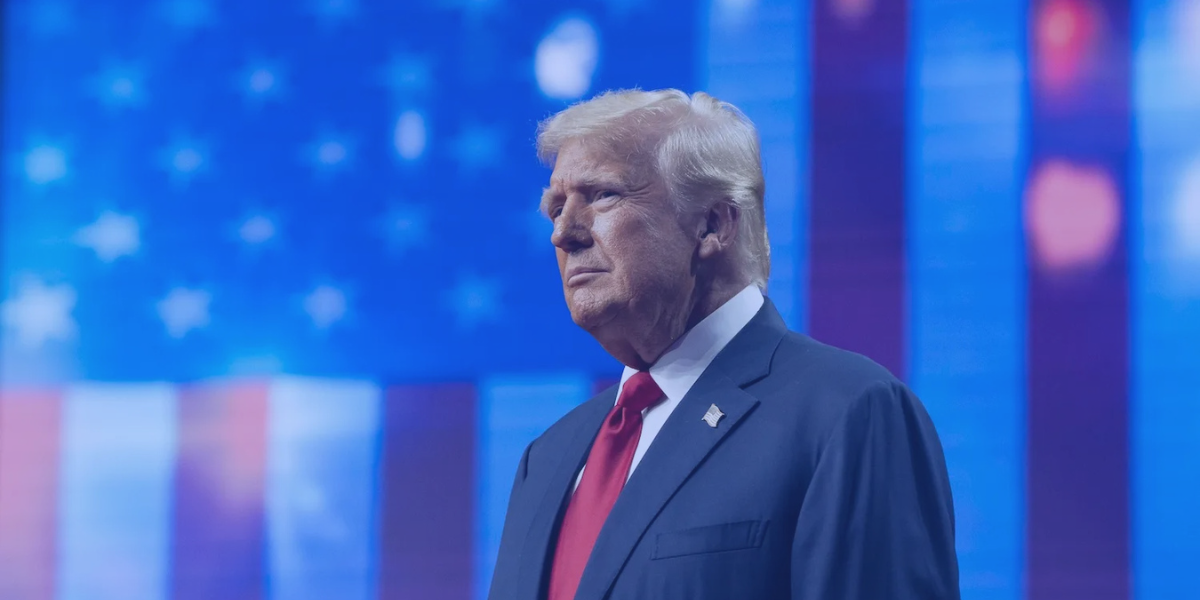
The Trump administration’s decision to introduce a $100,000 fee for H-1B visa applications has sparked major controversy and legal challenges. The rule, aimed at reducing the number of foreign skilled workers entering the United States, has been criticized by technology companies, universities, and industry groups. They argue that the fee places an unfair burden on employers who rely on global talent, potentially harming innovation, competitiveness, and economic growth within key industries.
Opponents of the policy claim it contradicts the purpose of the H-1B program, which was designed to fill specialized roles that lack sufficient domestic expertise. Several organizations have filed lawsuits, arguing that the fee is excessive and violates federal regulations. The outcome of this legal battle could have significant implications for U.S. immigration policy, shaping how future administrations manage skilled worker visas and international workforce participation.
Legal Battle Over the $100K H-1B Visa Fee Rule
The Trump administration’s controversial $100,000 H-1B visa fee rule has sparked significant backlash from business organizations and global employers. The U.S. Chamber of Commerce and several technology firms have filed a lawsuit claiming the rule is unlawful and economically damaging. Introduced as part of a broader effort to prioritize American workers, the new fee drastically increases the cost for companies seeking to hire highly skilled foreign professionals. Critics argue it discourages innovation and places an undue burden on employers who rely on specialized talent.
Here are some key details about the issue:
Purpose of the Rule: Aimed at reducing dependence on foreign labor and encouraging domestic hiring.
Business Response: Major corporations and trade groups claim the fee exceeds legal limits and hurts U.S. competitiveness.
Legal Grounds: The lawsuit argues the administration bypassed congressional approval in setting such an excessive fee.
Economic Impact: Small and medium-sized firms may struggle to afford the new costs, reducing access to global expertise.
Industry Reaction: Sectors like technology, healthcare, and engineering have voiced strong opposition.
Looking Ahead: The Future of Skilled Immigration
The ongoing lawsuit over the $100K H-1B visa fee rule marks a key moment for U.S. immigration policy. As the case continues, its decision will likely shape how the country attracts and retains global talent. Moreover, it raises questions about balancing fair job opportunities for American workers with the need for skilled professionals from abroad. Therefore, clear and reasonable policies are essential for long-term growth. In conclusion, how the government responds will determine whether innovation and competitiveness can thrive together.