
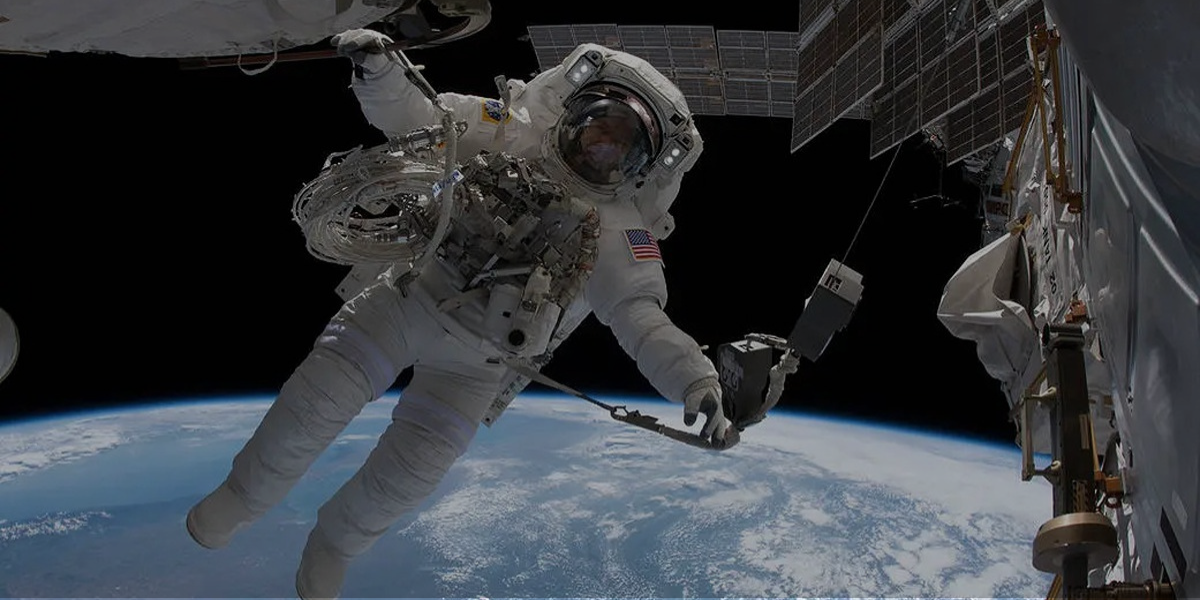
Life aboard the International Space Station (ISS) is a fascinating blend of science, routine, and adaptation. Astronauts live in a microgravity environment where everyday tasks like sleeping, eating, and moving require special adjustments. Astronauts use compact sleeping quarters secured to prevent them from floating during rest, and crew members carefully prepare meals to provide balanced nutrition in weightless conditions. Designers create every aspect of life in orbit to ensure comfort and safety amid challenging conditions.
Working on the ISS involves conducting scientific experiments, maintaining equipment, and communicating with mission control. Astronauts follow a strict schedule to manage time efficiently and maintain physical health through daily exercise. Personal grooming is also adapted for zero gravity—using no-rinse shampoos and special hygiene tools. These routines highlight human adaptability and teamwork, demonstrating how astronauts manage normal life in an extraordinary environment far from Earth.
Daily Life in Orbit: How Astronauts Eat, Sleep, and Stay Clean in Space
Living aboard the International Space Station (ISS) is unlike any experience on Earth. Astronauts adapt to microgravity, where even simple activities like sleeping, eating, and grooming require creativity and technology. Life in orbit is a balance of science, discipline, and innovation, as every action must consider safety, limited space, and weightlessness. Each astronaut follows a structured routine that keeps the mission running smoothly while ensuring physical and mental well-being.
Here’s how astronauts manage daily life on the ISS:
- Sleeping: Astronauts sleep in small, vertical sleeping bags attached to the walls to prevent floating.
- Working: Their workday involves conducting experiments, repairing equipment, and coordinating with mission control.
- Eating: Meals come in vacuum-sealed pouches, and water is rehydrated before eating.
- Exercising: Two hours of exercise daily helps counteract muscle and bone loss.
- Grooming: Waterless shampoos, rinse less wipes, and special razors are used for hygiene in zero gravity.
Through these carefully designed routines, astronauts maintain normalcy while orbiting Earth. Their daily lives demonstrate how technology and teamwork make long-term space living possible.
Life Beyond Earth: The Human Side of Space Exploration
Living aboard the International Space Station showcases how adaptable and resilient humans can be. From learning to sleep in weightlessness to mastering hygiene without running water, astronauts redefine what “daily life” means beyond Earth. These routines, though carefully designed, highlight the dedication and teamwork required to thrive in space. Every task—whether working on experiments or maintaining health—contributes to the success of long-duration missions. Understanding these everyday challenges offers a deeper appreciation for space exploration and the people who make it possible. Ultimately, astronaut life reminds us that human curiosity and innovation know no bounds, paving the way for future journeys to the Moon, Mars, and beyond.