

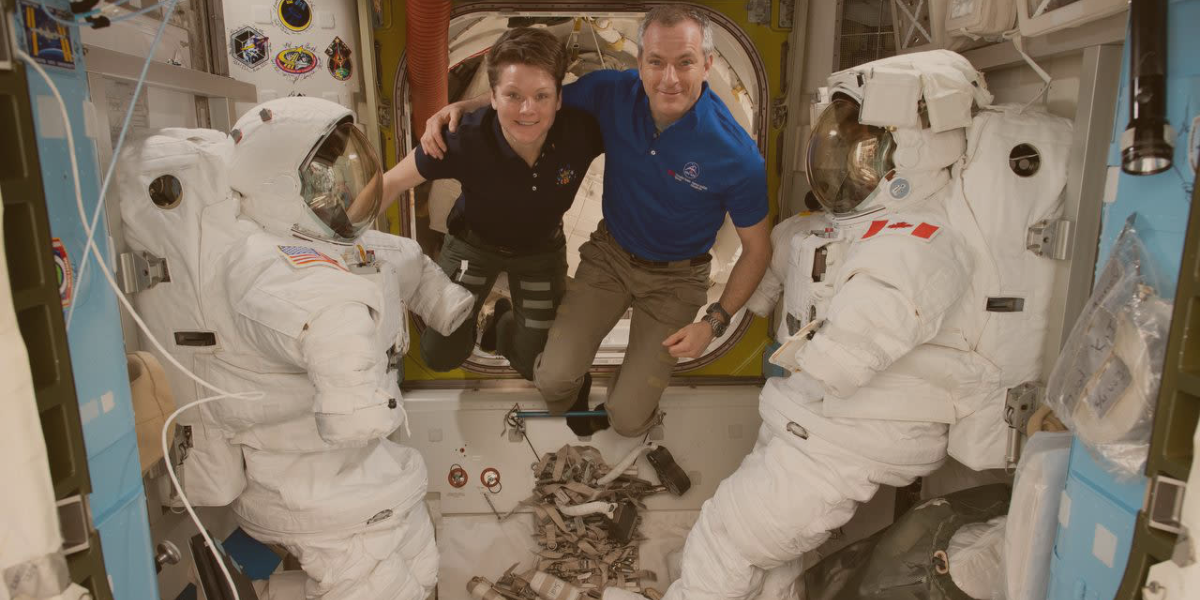
Living in space has a profound impact on the human body due to microgravity and other environmental factors. One of the most noticeable changes is muscle and bone loss, as the body no longer works against gravity, leading to decreased strength and bone density. Fluid redistribution also occurs, causing facial puffiness and pressure on the eyes, which can affect vision. The cardiovascular system adapts as the heart works differently in low gravity, and astronauts may experience balance and coordination issues when returning to Earth.
Other effects include altered immune responses, changes in metabolism, and disruptions in sleep patterns due to the lack of a natural day-night cycle. Space radiation exposure increases the risk of cellular damage and long-term health issues. Understanding these nine key changes helps scientists develop countermeasures to protect astronauts’ health during long-duration missions, ensuring safety for future space exploration.
9 Key Ways Space Alters the Human Body
Living in space exposes the human body to microgravity, radiation, and other unique conditions that trigger significant physiological changes. These adaptations help astronauts survive in space but can have lasting effects on health. Understanding these changes is crucial for long-term missions and maintaining overall well-being in a space environment.
Some of the most common ways living in space affects the human body include:
-
Muscle Atrophy: Reduced gravity means muscles are less active, leading to weakening over time.
-
Bone Density Loss: Bones lose calcium and strength, increasing fracture risk.
- Fluid Shifts: Fluids move toward the head, causing facial puffiness and pressure on the eyes.
- Cardiovascular Changes: The heart adjusts to pumping blood differently in low gravity, sometimes causing orthostatic intolerance on return.
- Vision Changes: Increased eye pressure may temporarily alter vision.
-
Immune System Alterations: Space conditions can weaken immune response.
-
Sleep Disruption: Absence of natural day-night cycles affects circadian rhythms.
-
Radiation Exposure: Higher cosmic radiation increases long-term health risks.
-
Balance and Coordination Issues: Microgravity affects the inner ear, causing dizziness and disorientation.
Adapting Humanity for Space
Understanding how space affects the human body is essential as we venture further into the cosmos. From muscle and bone loss to vision changes and immune system alterations, the body undergoes remarkable adaptations in microgravity and high radiation environments. Studying these effects helps scientists design countermeasures, such as specialized exercise programs, nutritional strategies, and protective equipment, to maintain astronauts’ health. As space missions become longer and more ambitious, this knowledge will be critical for ensuring safety and performance. By addressing these challenges, humanity can not only explore space more effectively but also unlock insights that may improve health and medical treatments back on Earth. Preparing the body for space is a key step in our journey beyond our planet.